


CANBERRA – Exit trafficking in Australia is on the rise, particularly among migrant women on partner visas. Experts warn that this is a sophisticated form of control that can strip victims of their residency rights and long-term settlement opportunities.
What is exit trafficking?
Exit trafficking refers to the use of threats, coercion, or deception to force someone to leave Australia in order to control or deprive them of their rights.
Under Australian law:
- This is considered a form of human trafficking and modern slavery
- It is regulated under the Criminal Code Act 1995
- Penalties can be up to 12 years imprisonment
Deceived into leaving Australia and losing visa control
Rupali (name changed), a woman in her 20s, came to Australia on a partner visa hoping to build a new life. However, as the relationship deteriorated, she reported being financially controlled, having her phone monitored, and being isolated from social connections.
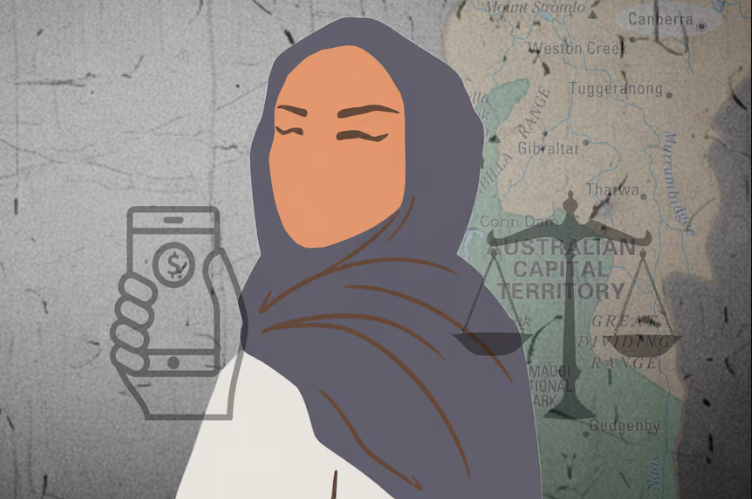
When she was asked to return to her home country for a “holiday,” she agreed. However, while overseas, she discovered that her husband had withdrawn visa sponsorship without informing her.
“I was asked to pay more than 150,000 AUD if I wanted to continue my residency application,” she said.
Exploiting the migration system to control victims
Experts say many cases of exit trafficking in Australia are linked to domestic violence, where perpetrators exploit visa dependency to manipulate victims.
Common tactics include:
- Confiscating personal documents such as passports and visa papers
- Forcing victims to hand over their income
- Threatening to cancel visa sponsorship
- Monitoring phone calls, messages, and relationships
Many victims are not even aware of their visa type or their legal rights.
Fear of losing children and deportation
One of the main reasons many women remain silent is the fear of being separated from their children or being forced to leave Australia.
In many cases, the children are Australian citizens while the mother holds only a temporary visa, making them more vulnerable to threats and control.
A broader picture of modern exploitation
Reports estimate that around 41,000 people are living in conditions of modern slavery in Australia. Forced marriage is one of the most common forms.
The Australian Federal Police recorded 91 cases related to forced marriage in 2023–2024.
Victims can still be protected
Experts emphasize that victims do not necessarily have to leave Australia.
- Partner visa holders may still continue their residency process if they experience domestic violence
- Victims can receive visa support and legal protection
- Authorities have dedicated support mechanisms in place
Exit trafficking in Australia is an increasingly concerning issue, particularly for migrant women. When visas and relationships are used as tools of control, victims face not only a loss of freedom but also prolonged exploitation.
Raising awareness, understanding legal rights, and seeking timely support are critical steps in protecting oneself.
Source: ABC News