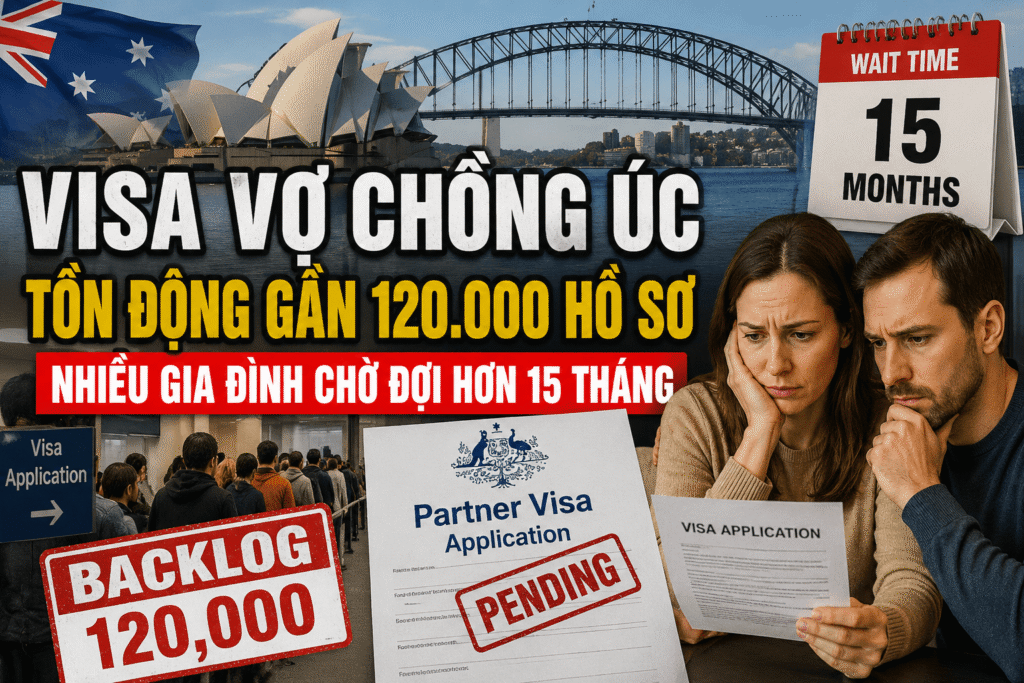


When awaiting the outcome of a substantive onshore visa application—such as the Onshore Partner Visa (Subclass 820) or a Student Visa renewal—applicants are automatically granted a Bridging Visa A (BVA – Subclass 010) to maintain lawful status in Australia.

However, a critical compliance trap exists: A Bridging Visa A ceases immediately the moment the holder departs Australia, preventing re-entry and jeopardizing pending visa applications.
1. The difference between Bridging Visa A (BVA) and Bridging Visa B (BVB)
- Bridging Visa A (Subclass 010): Maintains lawful onshore stay and associated work/study rights while an application processes. It has no international travel facility.
- Bridging Visa B (BVB – Subclass 020): Grants a specific travel window allowing the holder to leave and legally re-enter Australia without cancelling their pending substantive visa application.
2. When to lodge a Bridging Visa B application
Applicants planning overseas travel (e.g., visiting family in Vietnam) should lodge their BVB application via ImmiAccount at least 2 to 4 weeks prior to intended departure, providing substantial reasons for travel and flight itineraries.
3. Re-entry before BVB expiry
You must return to Australia before the specified travel date on your BVB grant notification expires; failing to return in time can prevent re-entry.
Bridging Visa advisory with De1 Consultancy
De1 Consultancy assists onshore clients in timing travel permissions, maintaining continuous lawful status, and protecting pending Partner Visa pathways.
Source: Australian Department of Home Affairs / Migration Regulations 1994 / De1 Analysis