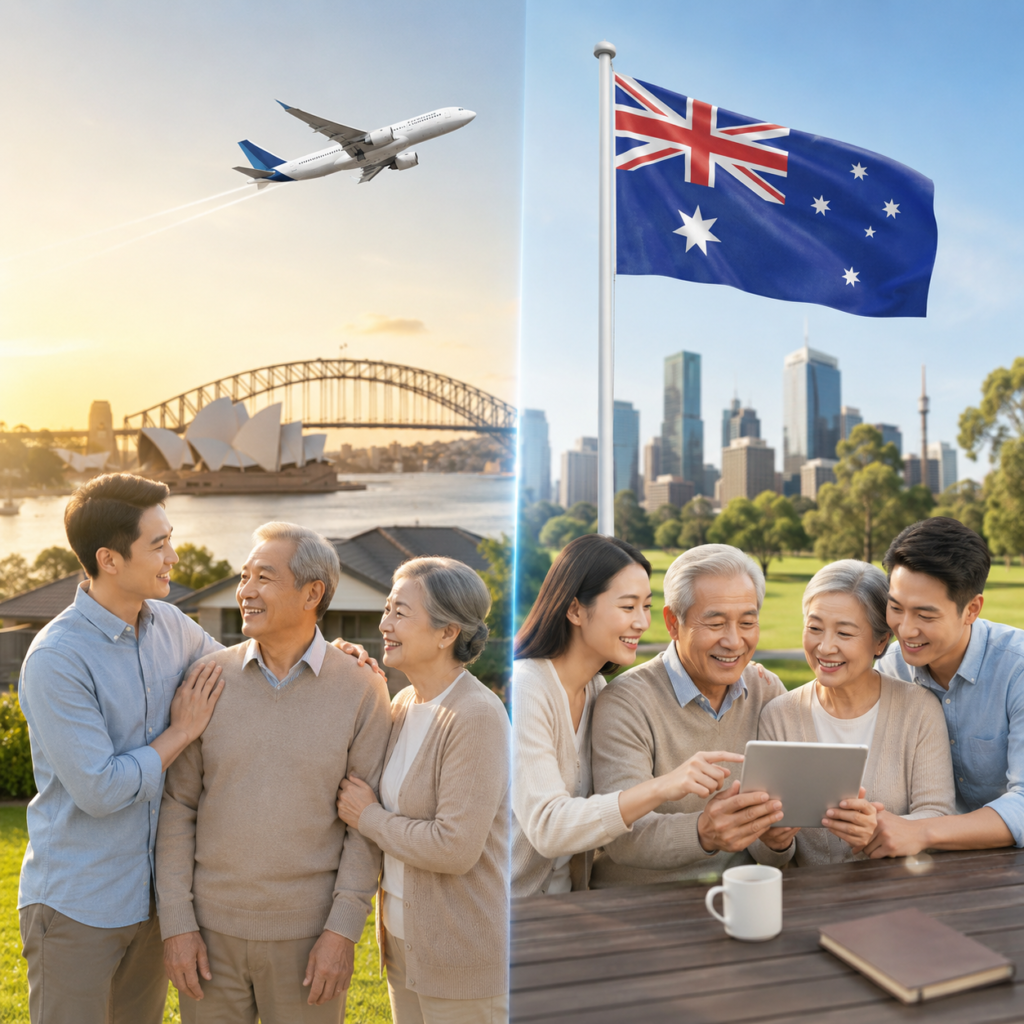


When exploring Australian family reunification options, sponsors frequently assume that general family relationship evidence applies universally. In practice, the Department of Home Affairs (DHA) applies entirely distinct statutory standards between Child Visas (Subclass 101/802) and Partner Visas (Subclass 820/309).
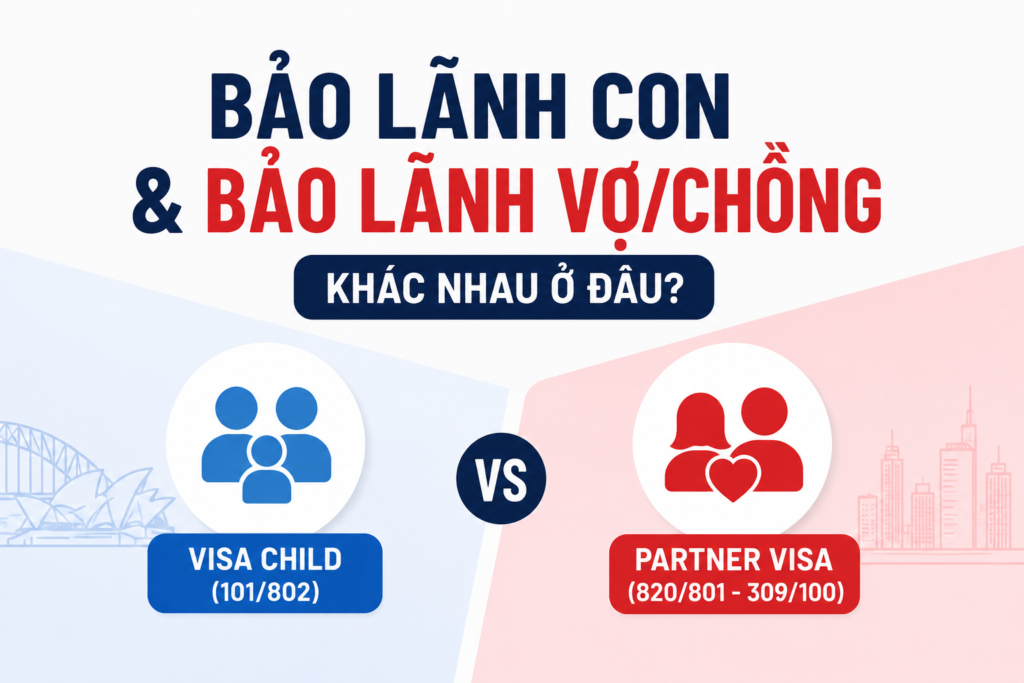
1. Child Visa focuses strictly on legal parenthood and custody rights
Child Visas do not assess emotional devotion or social domestic proof. Rather, case officers assess official certified civil status birth records, legal sole-custody decrees (or Form 1229 parental consents), and financial dependency proof for adult offspring over 18 enrolled in continuous full-time study.
2. Partner Visa requires proof of genuine spousal commitment
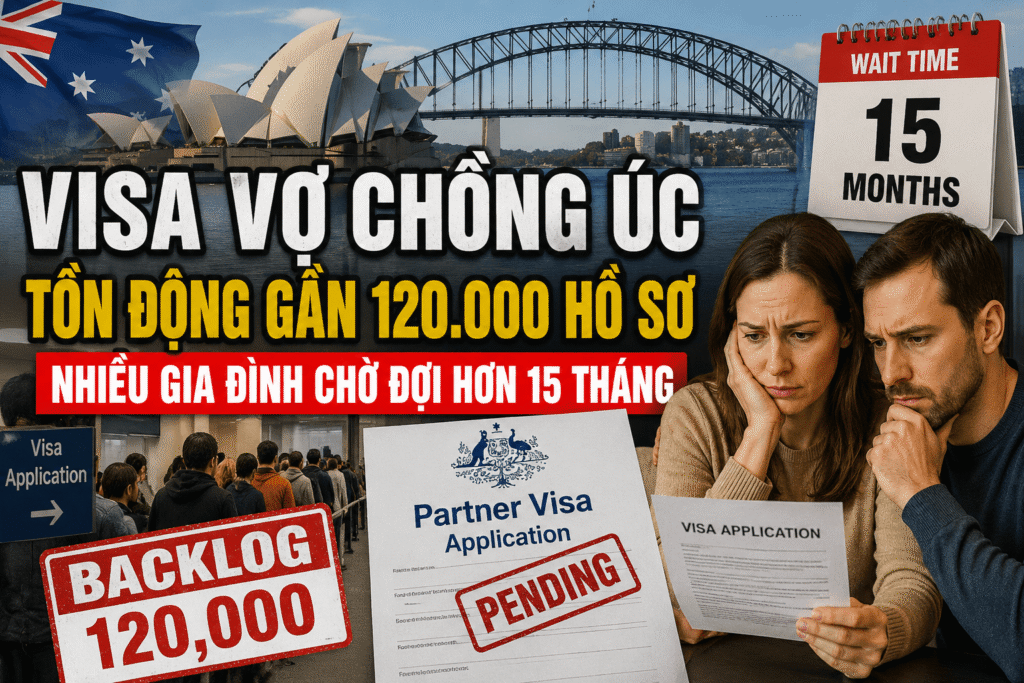
Conversely, Partner Visas require proving that a relationship is genuine, exclusive, and continuing across the 4 pillars (joint finances, domestic cohabitation, social recognition, and mutual long-term plans).
3. Child Visa lodgment architecture
Unlike online-only Partner Visas, initial Child Visa applications (Subclass 101/802) follow specific processing pathways managed by the Child Processing Centre in Perth, Western Australia, with VAC fees set at AUD 4,040.
Family reunification advisory with De1 Consultancy
De1 Consultancy audits parental custody documents, prepares Form 1229 consents, and manages decision-ready child migration filings.
Source: Australian Department of Home Affairs / Migration Regulations 1994 / De1 Analysis