


Immigration policy continues to be one of the most pressing political debates in Australia, as major political parties face growing pressure to present clear plans for controlling immigration numbers. Recently, a notable disagreement emerged within the One Nation party regarding the exact intake target the party aims to implement. On the ABC Insiders program, One Nation MP David Farley suggested that Australia’s migration intake under a One Nation government could be around 230,000 people per year when factoring in a significant volume of skilled workers recruited through existing visa streams.
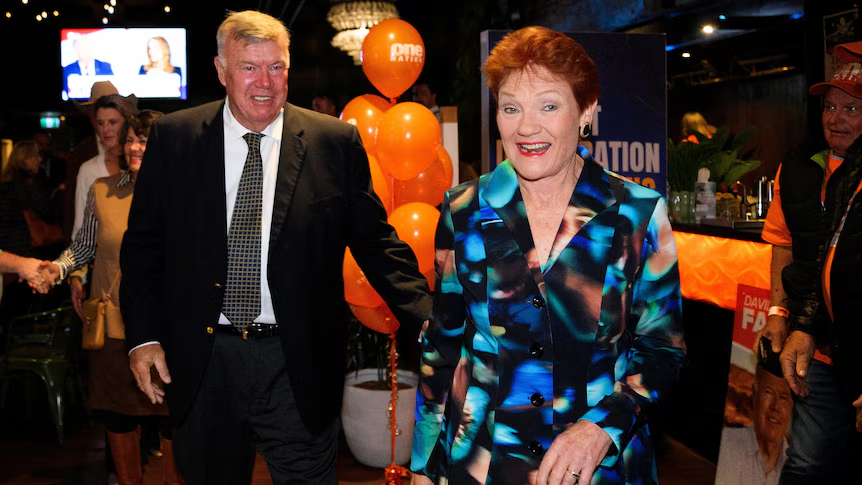
However, just hours after the interview, One Nation leader Pauline Hanson clarified the statement, confirming that the party’s official target remains reducing net overseas migration to 130,000 people annually. This substantial divergence underscores how central the immigration issue is to One Nation’s core political strategy.
Why is the 130,000 figure noteworthy?
To understand this policy proposal, it is necessary to distinguish between the number of visas granted and net overseas migration. Net overseas migration (NOM) is calculated based on the number of people arriving in Australia intending to stay for at least 12 months, minus the number of permanent and long-term departures. This figure encompasses multiple cohorts, including international students, skilled workers, and temporary visa holders. According to Pauline Hanson, One Nation intends to lower net overseas migration to 130,000 people per year, a level significantly below Australia’s current intake.
By contrast, the Australian Government is currently aiming to bring net overseas migration down to approximately 225,000 by 2028. Comparing these figures highlights that One Nation is proposing a much sharper reduction than the current government trajectory.
Which visa groups does One Nation aim to reduce?
According to Pauline Hanson’s statements, the policy primarily targets reducing arrivals through temporary visa categories. Most prominent among these are international students and their secondary dependents, alongside substantial reductions in temporary graduate visas and the restructuring of a more selective skilled migration program.
If implemented in the future, these measures could have a significant impact on Australia’s international education sector. However, this does not indicate that One Nation seeks to halt foreign labor entirely.
Conversely, David Farley stressed that Australia continues to require a vital supply of skilled workers across key sectors experiencing chronic shortages, including agriculture, engineering, mining, and aged care. In short, the strategy is characterized as reducing overall volume while increasing selectivity.
What does this debate reveal about Australian Visa policy?
The most critical insight for international candidates planning to study and work in Australia extends beyond the specific numbers of 130,000 or 230,000. What matters most is how Australian political parties are shifting their broader approach to immigration.
In previous periods, debate largely focused on “how many immigrants Australia should welcome.” Today, the focus has pivoted toward:
Which immigrants does Australia need, what roles will they fill, and where will they live? David Farley noted that migrant workers should not be heavily concentrated in major metropolitan capitals, but rather distributed to regional communities facing severe workforce deficits. This theme is increasingly shared across the migration platforms of various Australian political parties.
For prospective visa applicants, this represents an important strategic mindset shift. Rather than looking solely at whether an occupation currently qualifies for a particular visa subclass, candidates should take a broader view of workforce demand, regional placement, professional qualifications, and alignment with the Australian labor market.
The Australian Government is also targeting lower migration
One Nation is not alone in advocating for reduced immigration figures. The Labor Government is actively pursuing its target of lowering net overseas migration from around 300,000 to 225,000 by 2028 while introducing tighter criteria across temporary visas. Notably, ministerial directives prioritizing onshore applicants have lengthened processing timelines for offshore candidates, including skilled applicants in vital fields such as healthcare and education.
This confirms that tighter management of immigration inflows has become a mainstream objective across Australian politics.
The Coalition is developing competing migration policies
The Liberal-National Coalition is likewise crafting immigration policies to contest One Nation’s platform. One notable proposal involves linking immigration caps directly to housing completion rates. Under this mechanism, migration quotas would be calibrated against the volume of new homes completed in the preceding year to alleviate pressure on housing supply.
Across different political factions, the converging theme is unmistakable: immigration will be managed under stricter oversight and controls.
Australian businesses voice concerns over workforce shortages
On the other side of the debate, the business sector warns that severe cuts to skilled migration risk worsening operational challenges. The Australian Industry Group highlights that international skilled professionals remain essential for residential construction, major infrastructure, manufacturing, healthcare, aged care, and emerging industries. The industry rationale is clear: domestic training alone cannot meet Australia’s immediate and long-term labor requirements.
Sharp reductions in skilled migration while structural shortages persist could inflate hiring costs and disrupt critical infrastructure and business operations. This constitutes the core balancing act in Australian immigration: addressing community concerns over infrastructure and housing pressure while fulfilling essential business labor needs.
Strategic takeaways for prospective applicants
For international students, skilled professionals, and families planning their pathway to Australia, long-term plans should not be built on static visa rules. Australian immigration policy is moving toward greater selectivity.
Applications that do not align with genuine workforce demands may face heightened scrutiny and competition. In contrast, applicants with high-demand expertise, qualifications aligned with skills shortages, or readiness to work in regional areas will maintain a competitive advantage. Those exploring the pathway from Study → Post-Study Work → Employer Sponsorship → Permanent Residency must track policies across occupation demand, visa subclasses, and regional criteria.
Rather than merely asking “Does my occupation qualify for a visa?” the more critical question is: “Will Australia genuinely need professionals in this field over the coming years?” That foresight will ultimately determine the durability of a long-term migration plan.
Information synthesized and analyzed from ABC News reports (August 2026). Immigration regulations are subject to regular updates; applicants should verify current requirements with qualified professionals before submitting visa applications.
Source: ABC


