


The Australian government is implementing a program worth 78 million Australian dollars to support up to 6,000 workers in the construction industry to complete vocational qualifications without having to pay the entire training cost themselves.

A notable point of the program is that workers with practical experience will not necessarily have to start the vocational training process from the beginning. Skills and experience accumulated during work can be reviewed and recognized, after which the employee only needs to complete the missing training to achieve an official qualification.
People with experience can shorten their study time.
One of the most important points of the program is the mechanism for recognizing existing capacity and experience. According to published information, workers with at least 3 years of experience can have their previously accumulated skills assessed. Instead of having to retake the entire program, they can identify missing content and participate in additional training accordingly.
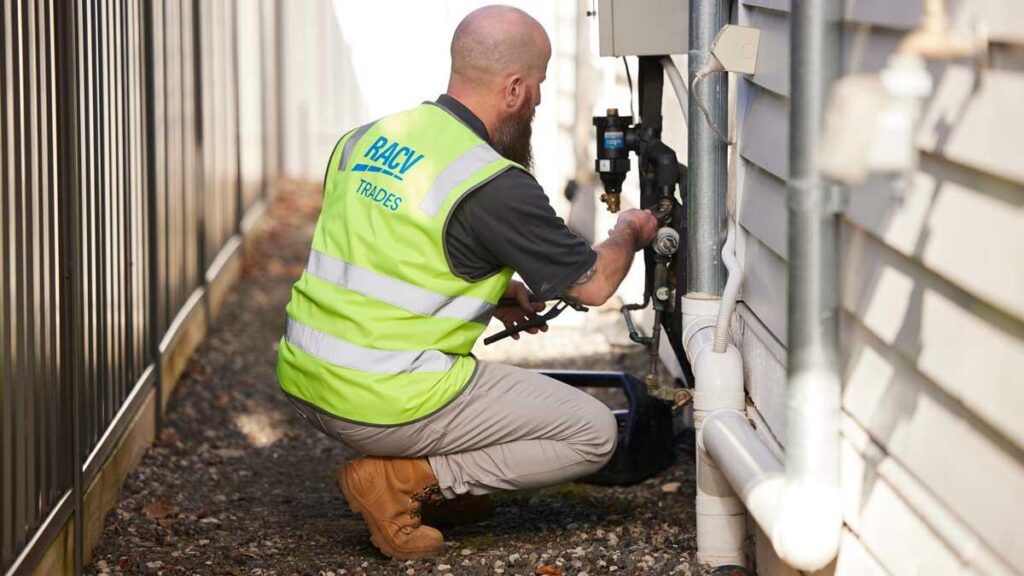
This approach significantly shortens the process of achieving formal vocational qualifications, while making better use of the practical experience workers already have.
Why is a formal vocational degree important?
In the construction industry and technical professions, practical experience is a very important factor. However, work experience and formal vocational qualifications do not always have the same value in demonstrating professional competence. A person with many years of practical work experience but no relevant qualifications may have difficulty moving forward in their career, finding better job opportunities or proving their qualifications.
Therefore, having a program that converts practical experience into a nationally recognized qualification could bring significant benefits to those who have worked in the industry for a long time. Skills and Training Minister Andrew Giles said the program was designed to support people who already have the right skills for the job but lack formal vocational qualifications.
Is this an opportunity for international students and Vietnamese people in Australia?
This information is especially noteworthy for Vietnamese people living in Australia and having experience in construction-related jobs. However, it is important to understand that just working in the construction industry does not automatically mean you will receive a free license. The announced program aims to support workers with appropriate skills and practical experience. Whether an individual is eligible depends on the program’s criteria and assessment process.
For those considering a long-term career in Australia, this is news worth watching as formalizing vocational skills can help expand future opportunities.
What should experienced people do right now?
If you have worked for many years in the construction industry in Australia but do not have an official vocational qualification, the most important thing is not to rush to register or quit. Follow the official information about the program and prepare again. Documents proving work history and understanding skill assessment requirements. Documents related to work history, job description and practical experience can become an important basis when assessing capacity.
For those who intend to work long-term in Australia, possessing a suitable vocational degree is more than simply completing a course. This can also be an important step to building a clearer and more professional career profile.
The notable point in the new policy is not in the number of 6,000 people supported, but in the approach: practical experience is given more importance and can be converted into official qualifications through additional training.
For the Australian labor market in need of skilled human resources, this is a direction that can help reduce the gap between those who “know how to do the job” and those who “have a vocational degree”.
If you are working in construction in Australia, have 3 years or more of experience and do not have a corresponding professional license, this is a policy worth monitoring closely. However, before making a decision to learn a profession, change majors or build a career path, it is necessary to check the specific conditions of the program and the status of each person’s application.
Source: The Guardian


