


From September 28, 2026, Vietnam plans to expand the issuance of electronic identification accounts for foreigners entering or residing legally in Vietnam. This is a notable step in the process of digitizing administrative procedures, when foreigners have the ability to use the electronic identity platform to access utilities and manage personal information.
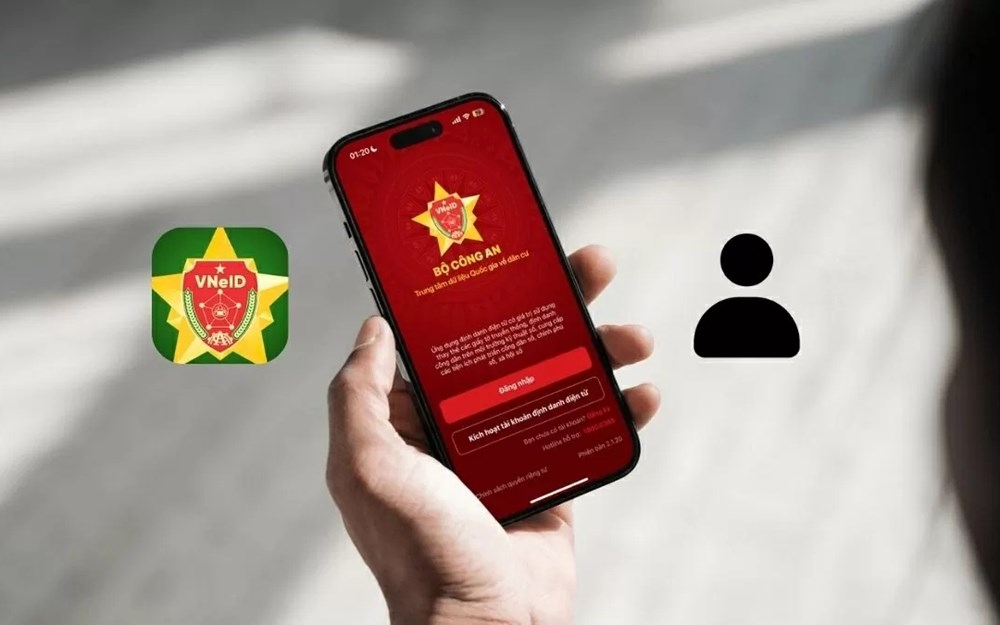
The information provided also mentions the ability to integrate many types of documents such as passports, visas, driver’s licenses, vehicle registration and other documents as prescribed. For the Vietnamese community living, studying and working in Australia, this change is especially concerning because there is a group that regularly moves between Vietnam and Australia: study abroad students, overseas Vietnamese and people with dual nationality.
However, it is necessary to clearly distinguish between foreigners, Vietnamese citizens and people with dual nationality. Not everyone who has an Australian passport or is living in Australia is automatically considered a foreigner when carrying out all procedures in Vietnam.
What are the benefits of studying abroad in Australia?
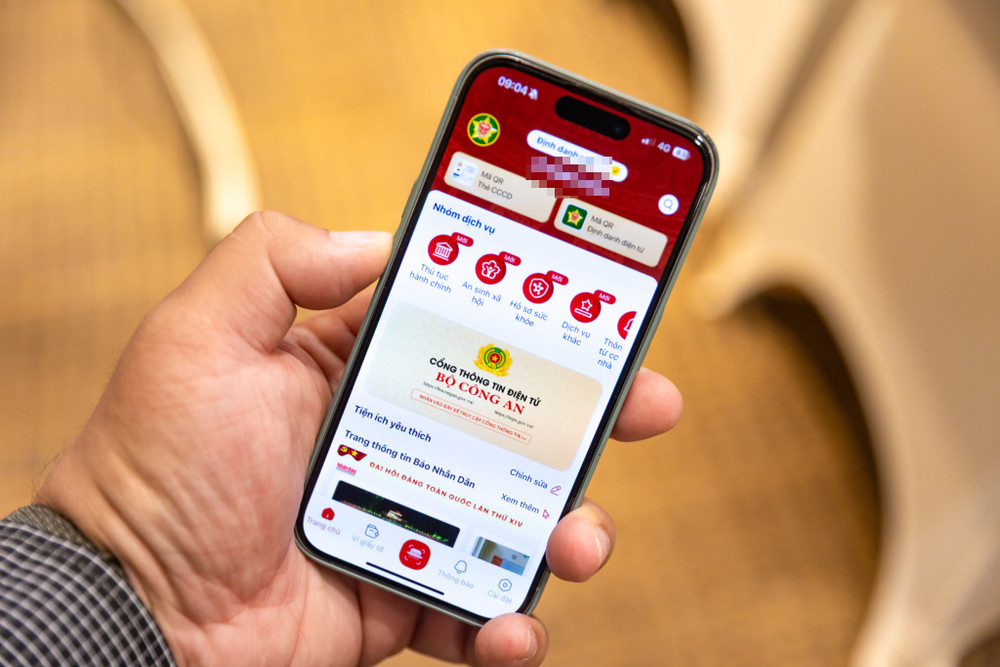
As more information and documents are digitized, personal records management can become more convenient. Instead of having to rely entirely on a set of physical documents, users have an electronic platform to authenticate and manage integrated information. This is especially useful for those of you who frequently travel between two countries.
However, VNeID is not visa nor does it replace Australian visa. Having a VNeID account does not create the right to enter, stay or work in Australia.
What do people with dual Vietnamese and Australian citizenship need to understand?
This is a very easily misunderstood case. A person with Vietnamese nationality and Australian nationality does not automatically become a “foreigner” in all procedures in Vietnam just because they possess an Australian passport. If that person still has Vietnamese nationality, the use of identification documents and carrying out procedures in Vietnam should be considered based on their legal status and identification information.
In other words, it should not be simply understood that: Having an Australian passport = using VNeID as a foreigner. In fact, it is necessary to determine whether that person is being managed and carrying out procedures as a Vietnamese citizen or as a foreigner, as well as what information has been recorded on the system by the competent authority. This is a point that families with children living in Australia, especially those with dual citizenship, should pay attention to.
It may be more convenient for overseas Vietnamese to return to Vietnam regularly
For overseas Vietnamese, the notable benefit lies in the convenience of interacting with administrative procedures in Vietnam. A person who has lived in Australia for a long time but frequently returns to Vietnam may have to deal with many different issues each time they return home. If personal information and related documents are increasingly integrated into electronic systems, authentication and document management can be simpler.
Especially, for those who return to Vietnam to invest, do business, work or handle family matters, reducing dependence on paper records can help save time and reduce the need to carry many types of documents. However, the actual level of convenience depends on the type of documents that have been integrated, specific procedures and regulations applied at the time of implementation.
Parents in Vietnam and children studying in Australia can also benefit
A fairly common situation today is that parents still live in Vietnam while their children are studying and working in Australia. In these families, digitizing information and administrative procedures can facilitate both generations. Children can regularly return to Vietnam during vacations, while parents can assist their children in handling some work in Vietnam. As administrative services become more digitized, the process could reduce reliance on physical paperwork.
In particular, if the family has members with dual citizenship or different legal statuses between Vietnam and Australia, determining the correct legal status and type of documents used in each procedure will be even more important.
The biggest concern is reducing paperwork and increasing electronic authentication capabilities
If paper integration is widely implemented, the biggest change for users will be in more centralized information management. Instead of having to constantly carry many types of documents, users can use authenticated electronic information in cases where the law allows. For Vietnamese people who regularly travel between Vietnam and Australia, this is a highly practical change.
International students may have more convenience when returning to Vietnam. Overseas Vietnamese have more information management tools when handling work in Vietnam. People with dual citizenship can access more digital utilities, but need to accurately determine their legal status before carrying out the procedure.
The expansion of VNeID to foreigners is part of the trend of digitizing administrative procedures in Vietnam. For the Vietnamese community living in Australia, the most notable impact lies not in the fact that VNeID brings additional visa benefits, but in the ability to simplify document management and verify information when returning to Vietnam.
In particular, families with children studying abroad in Australia, overseas Vietnamese who regularly return home or people with dual Vietnamese and Australian citizenship should clearly distinguish between nationality and residence status. residence, immigration documents and electronic identity accounts. Each type of document has different legal functions. VNeID can make administrative procedures more convenient, but does not replace nationality, immigration or Visa regulations.
Refer to information: Thanhnien | Chinh Phu Bao Dien Tu


